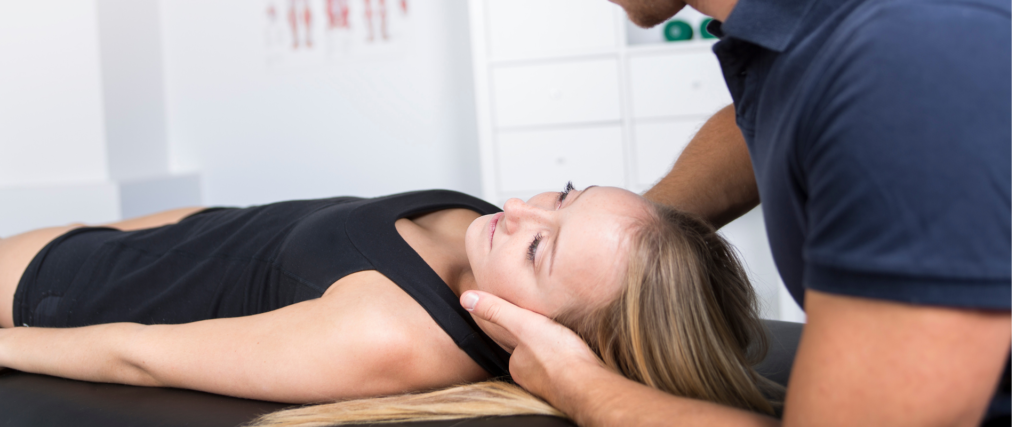
Physiotherapy focuses on helping people restore movement and function when affected by injury, illness, or disability. Physiotherapists use tailored exercises, hands-on techniques, and education to support recovery, prevent further issues, and promote overall physical wellbeing.
Physiotherapy techniques are used to improve movement, strength, and overall physical function. These may include tailored exercise programs, manual therapy, posture correction, and mobility training, depending on each person’s needs.
Physiotherapy may be required for a variety of reasons — from recovering after surgery or injury to managing ongoing conditions such as arthritis, chronic pain, or neurological disorders. Treatment usually begins with an assessment by a physiotherapist, who will identify areas of concern and develop a personalised plan to support recovery and improve quality of life.
There are many physical challenges that can be managed and improved through physiotherapy.
Movement difficulties after injury or surgery.
Muscle weakness or loss of strength.
Chronic pain in the back, neck, or joints.
Balance and coordination issues.
Mobility challenges from conditions such as stroke or Parkinson’s.
Physiotherapy for Kids
Physiotherapy for children can take place in our clinic, at home, or in their school setting, depending on what best supports their development. A range of fun and engaging activities are tailored to each child’s needs to help improve movement, strength, and coordination. During physiotherapy sessions, the physiotherapist may:
Encourage movement and play through fun, age-appropriate exercises to build strength and coordination
Use games and activities to improve balance, posture, and motor skills
Provide simple strategies and exercises for families to continue practising at home
Physiotherapy for Adults
Physiotherapy for adults begins with an assessment to understand your needs and develop a tailored treatment plan. Physiotherapy exercises aim to restore movement, build strength, and improve function after injury, illness, or surgery.
Therapy may also focus on pain management, posture correction, and preventing further injury. Exercises may include:
Gentle stretching to improve flexibility and reduce stiffness
Strength and resistance exercises to rebuild muscle function
Balance and coordination activities to enhance stability
Posture and mobility training to support daily movement and comfort