

The Benefits of In Home and Community Based Therapy Services
Accessing allied health services such as speech therapy, occupational therapy, psychology and physiotherapy is not always easy. For many families living in Australia, attending clinic appointments means juggling school hours, work commitments, transport and multiple weekly bookings. Mobile allied health therapy offers a practical and flexible solution.
Instead of travelling to a clinic, qualified therapists deliver services directly in homes, child cares, schools, aged care facilities and community settings. This model of care is designed to improve accessibility, reduce stress and support better outcomes in real world environments.
What Is Mobile Therapy?
Mobile therapy, also known as in home therapy or community based allied health, allows professionals to provide assessment and intervention in the environments where individuals live, learn and function every day.
This approach is widely used across Australia, particularly for:
• Children with developmental delays
• Individuals with disability
• NDIS participants
• People living in rural or regional areas
• Older adults in aged care
Many people access allied health services through the National Disability Insurance Scheme, which provides funding for supports that help individuals build independence and participate in everyday life.
Key Benefits of Mobile Allied Health Services
1. Therapy in Familiar Environments Improves Engagement
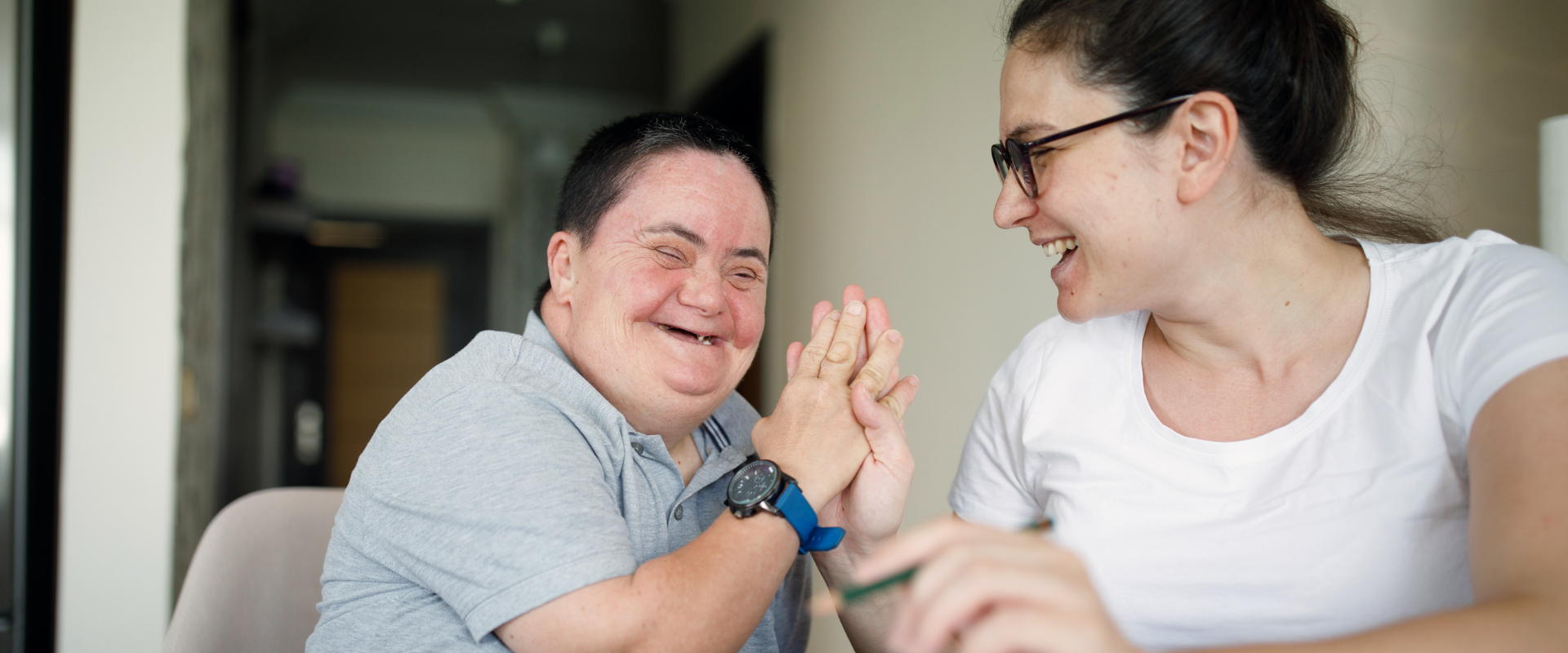
Children and adults often feel more relaxed at home or school than in a clinical setting. Reduced anxiety can increase participation, communication and progress.
Therapists can also observe natural behaviours and daily routines, providing more accurate assessments and practical recommendations.
For children with ADHD, autism or anxiety, in home therapy can reduce sensory overload and transition stress.
2. Greater Convenience for Families
Mobile therapy removes the need for travel, parking, waiting rooms and time off work. This is especially valuable for families managing multiple appointments each week.
Parents and carers can observe sessions, learn strategies and implement techniques immediately in the home environment. This often leads to stronger carryover between sessions.
3. Real World Skill Development
When therapy happens in real environments, strategies are more relevant and easier to apply.
A speech therapist can support communication during mealtime routines.
An occupational therapist can assess sensory needs in a child’s actual bedroom or classroom.
A physiotherapist can review mobility and safety in the home.
A psychologist can observe behavioural patterns within everyday interactions.
Rather than recreating scenarios in a clinic, therapy integrates into daily life.
4. Increased Access Across Australia
Mobile allied health services are particularly important in rural and regional communities where clinics may be limited or far away.
They also support individuals who are housebound or unable to travel independently. This ensures consistent therapy access without transportation barriers.

How Mobile Therapy Sessions Are Structured
Quality mobile therapy includes more than face to face time.
A typical appointment structure may include:
• 60 minutes of direct therapy
• 30 minutes of clinical documentation and planning
• 30 minutes allocated for travel
This structure supports thorough assessment, professional standards and continuity of care.
Who Can Benefit from Mobile Therapy?
Mobile therapy is suitable for:
• Children needing speech therapy, occupational therapy or behavioural support
• NDIS participants requiring community based services
• Adults accessing psychology or physiotherapy
• Older adults in residential aged care
• Families seeking flexible allied health solutions
It is particularly helpful for individuals who experience anxiety in unfamiliar environments or difficulty transitioning to clinic appointments.
Why Mobile Therapy Can Lead to Better Outcomes
Therapy delivered within natural settings allows clinicians to identify environmental triggers, support routines and build strategies that are sustainable long term.
This personalised approach often improves engagement, family involvement and overall therapy effectiveness.
When care adapts to the individual’s life, progress becomes more meaningful and practical.